
Key Takeaways
- A joint report from Storable and SpareFoot found that 31% of surveyed garages are at least half-filled with clutter, and a CRAFTSMAN survey found that 62% of U.S. adults surveyed feel their garage is the most cluttered space in their home
- Garage clutter creates real safety risks, from tripping hazards to blocked exits and hidden water damage
- Some garage items need special handling before they can be thrown out, so knowing the difference between everyday junk and hazardous materials saves time and trouble
- Professional junk removal often finishes a garage cleanout in a fraction of the time a DIY haul takes, once rental trucks, dump runs, and sore muscles are factored in
- A fast, organized cleanout follows a few simple steps that anyone can use, with or without outside help
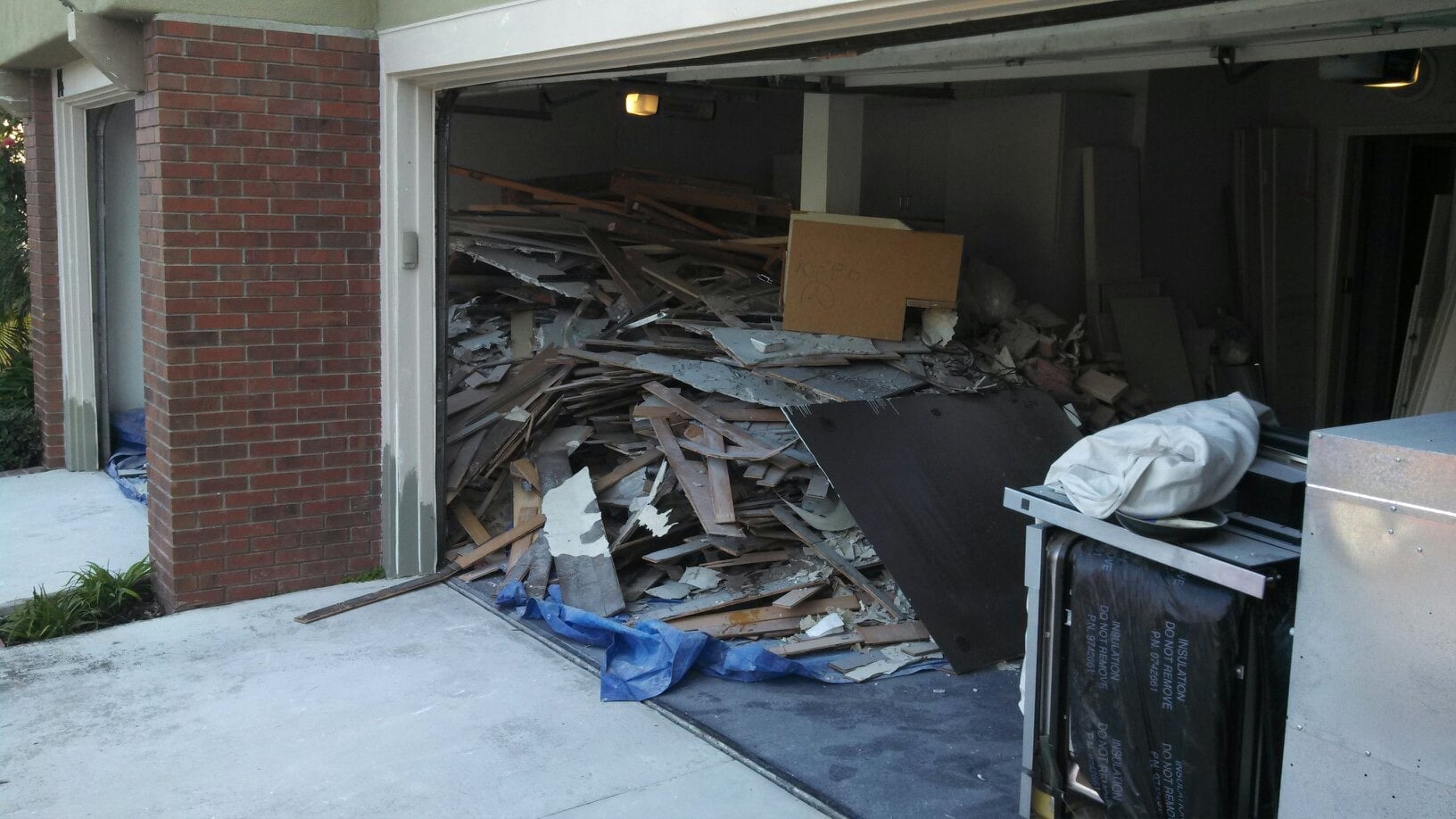
Garages rarely start as storage units. They begin as a place to park the car, then slowly fill with holiday decorations, half-used paint cans, outgrown bikes, and boxes nobody has opened in years. For many Anaheim renters and homeowners, that slow creep turns into a full-blown space problem that takes more than a free Saturday afternoon to fix.
Why Is Garage Clutter So Common Among Homeowners?
A joint report from Storable and SpareFoot found that 31% of respondents reported their garages were at least half-filled with clutter. A CRAFTSMAN survey reported that 62% of U.S. adults surveyed feel their garage is the most cluttered space in their home. For a lot of families, the garage quietly becomes the household’s overflow closet, holding onto furniture, sports gear, and project leftovers long after they’ve stopped being useful.
The pattern makes sense once the garage’s role in a typical home is considered. It sits just outside the living space, has a door that closes, and offers more square footage than a hall closet or an attic crawlspace. Those features make it tempting to use as a dumping ground for anything without an obvious home. Over months and years, that habit adds up until parking a car inside becomes a memory rather than a daily routine.
Anaheim renters and homeowners dealing with that kind of buildup often want a plan that works quickly rather than a months-long decluttering project. The professional junk removal team at Junk King Anaheim sees this pattern often across local garages, from Placentia to Yorba Linda, and has shared tips below for sorting, removing, and reclaiming that space without losing an entire weekend to the cleanout job.
Why Garage Clutter Becomes a Problem
A garage stuffed with belongings does more than look messy. It works against the reasons people wanted a garage in the first place, whether that is parking a vehicle, running power tools, or storing seasonal items where they can be found again.
Safety and Access Hazards
Boxes stacked too high, tools left on the floor, and narrow walking paths between piles all add up to a space that is harder to move through safely. A cluttered garage can create tripping hazards, especially in low light or when someone is carrying something bulky through the door. Overcrowded shelves and leaning stacks also raise the risk of items falling, and dense clutter can attract pests looking for a quiet, undisturbed place to nest.
Clutter also makes it harder to spot problems before they become expensive ones. When belongings are pressed against walls and floors, inspecting for leaks, cracks, or water damage becomes difficult until the issue has already spread. A garage that’s easy to walk through is also a garage that’s easy to maintain.
Lost Storage and Parking Space
The most obvious cost of garage clutter is the loss of the space itself. 36% of Americans surveyed say their garage is so cluttered they can no longer park vehicles inside it. That forces cars onto driveways or streets, where they face more exposure to weather and a higher risk of dings and scratches.
Lost storage space has a ripple effect, too. Once the garage fills up, people often look for another spot to stash new purchases or seasonal items, whether that’s a spare bedroom, a shed, or stacked boxes in a hallway. Reclaiming the garage as usable storage prevents that clutter from spreading into other parts of the house.
What’s Hiding in Most Garages
Garages collect a surprising mix of belongings over time, and most renters and homeowners are not entirely sure what’s buried at the back until they start digging. Sorting that mix into everyday junk and items that need special care is one of the most useful first steps in any cleanout.
Everyday Items Ready for Removal
Most garage cleanouts turn up a familiar list of bulky, easy-to-identify items. Common finds include:
- Furniture, mattresses, and box springs that have outlived their usefulness
- Appliances and old tools, along with shelving and storage units
- Exercise equipment, bicycles, tires, and yard equipment
- Cardboard, general clutter, and worn-out sporting goods
- Televisions, printers, computer equipment, and tangled cables
- Leftover wood, tile, carpet, drywall, and metal from past home improvement projects
Much of this material has a second life ahead of it. Working tools, sports equipment in good shape, and sturdy furniture without rips or broken joints are often strong candidates for donation. Scrap metal from old shelving or broken bikes, along with e-waste like monitors and cordless tool batteries, can typically be recycled rather than sent to a landfill.
Materials Needing Special Handling
Not everything stored in a garage can go out with the regular junk pile. Paint, solvents, fuel, propane tanks, pesticides, motor oil, antifreeze, brake fluid, pool chemicals, and certain cleaning products fall into a hazardous materials category that standard junk removal does not accept. These items require designated collection programs or disposal facilities instead.
Handling these materials carelessly carries real risk. They should never be poured onto the ground, into storm drains, or left where rainwater could wash them away, since doing so can create a water quality problem well beyond the garage itself. Improper cleanup of a chemical spill can also lead to long-term exposure or, in some cases, fire and explosion hazards. Checking with a junk removal provider ahead of time about which materials they accept helps avoid delays and keeps a cleanout day running smoothly.
DIY Junk Hauling vs. Calling the Pros
Once the keep-or-toss decisions are made, the next question is how to actually get everything out of the garage. For a small pile of lightweight items, a personal vehicle and a quick trip to the dump might be all that’s needed. Larger cleanouts tend to tell a different story.
Hidden Costs of Doing It Yourself
A DIY approach to a full garage cleanout often comes with expenses that are easy to underestimate at the start. Renting a pickup truck or a larger moving truck carries its own daily cost, and the price climbs with truck size, distance, and rental duration. Dump fees add another layer, since most facilities charge a minimum gate fee for small loads regardless of weight, and a single dump run with a couch and mattress adds up quickly once gate fees, gas, and any truck rental are factored in. Multiple trips also mean paying for gas more than once, and the fuel cost for a weekend of driving back and forth can rival the price of hiring help outright. Altogether, the process can eat up four to eight hours or more of personal time once loading, driving, unloading, and cleanup are added together.
None of that accounts for the physical toll of lifting mattresses, old dressers, or a rusted-out workbench into a truck bed without the right equipment. For anyone dealing with a bad back, limited mobility, or simply a packed schedule, those hidden costs can turn a quick weekend project into a multi-weekend slog.
Why Junk Removal Professionals Finish Faster
Professional junk removal services fold labor, the truck, equipment, fuel, and dump fees into one upfront price, which simplifies the math considerably compared to piecing together a DIY plan. Crews trained for large-scale cleanouts typically move through a packed garage in one to two hours, a pace that’s hard to match without help and the right gear.
With Junk King Anaheim, trucks are built 20% larger than the largest competitor’s trucks and hold up to 18 cubic yards, roughly equivalent to the space taken up by 12 standard-size refrigerators. That extra capacity means more of a garage’s contents can be cleared in a single trip rather than several trips. Same-day and Sunday appointments are also available, which helps renters and homeowners work a garage cleanout around a busy week rather than waiting for a distant open slot.
Steps to a Fast, Organized Cleanout
Whether the plan involves a truck rental or a professional junk removal crew, a few simple habits make the entire process move faster and feel far less overwhelming.
Sort Into Keep, Donate, Recycle, Toss
Setting up four distinct zones before touching a single box turns a chaotic cleanout into a manageable system. A keep pile holds items used regularly or needed for a clear upcoming purpose. A donate pile covers usable furniture, tools, and gear that someone else could put to good use. A recycle pile gathers scrap metal and e-waste. A toss pile takes everything else, including broken plastic bins, ripped tarps, dry-rotted lumber, and stained fabrics that are past saving.
Apply the One-Year Rule
A simple test cuts through a lot of decision fatigue: if an item hasn’t been used in the past year, it’s probably safe to let go of it. Reasonable exceptions apply for seasonal decorations and specialty tools that only come out once a year by design. For nearly everything else, a year of sitting untouched on a shelf is a strong signal that the item has become clutter rather than a useful belonging.
Maximize Vertical Storage Space
Floor space disappears fast in a garage, but wall and ceiling space often sits completely unused. Wall-mounted racks, pegboards, and overhead storage systems keep bins, tools, and seasonal gear off the floor and out of the way of parked cars. Shifting storage upward after a garage cleanout helps prevent the same clutter problem from creeping back in over the following months.
Cleaning thoroughly after the decluttering is finished rounds out the job. Addressing dirt, oil stains, and any damage to walls or floors that clutter had been hiding gives the newly cleared garage a genuine fresh start rather than just a temporary clean-up.
A Clear Garage Can Boost Home Value
A tidy, organized garage does more than make daily life easier. It can meaningfully improve a home’s functionality and curb appeal, which matters whether a sale is coming soon or not. Buyers touring a home tend to notice when a garage looks like usable space rather than a maze of boxes, and that impression can carry weight during a sale.
Beyond resale considerations, a decluttered garage opens the door to uses that a packed one never could: a home gym, a workshop, dedicated bike storage, or simply a reliable spot to park a vehicle out of the weather again. Reaching that payoff usually comes down to committing to a clear sorting system and removing items at a pace that actually clears the space, rather than shuffling the same clutter from one corner to another.
For renters and homeowners ready to turn a cluttered garage back into usable space, a professional garage cleanout is often the fastest way to get there. With the clutter cleared and a simple system in place, the garage can finally return to what it was meant to be: functional, accessible, and easy to keep that way.
Junk King Anaheim
+1 657 452 0304
1100 E Orangethorpe Ave, Suite 200M
Anaheim
CA
92801
United States


